
Kentucky’s Rich History: Events That Shaped the Commonwealth
.png)
Kentucky’s Rich History: Events That Shaped the Commonwealth
Kentucky’s history is one of exploration, frontier survival, political influence, industrial growth, and cultural traditions that continue to shape the Commonwealth today. From Daniel Boone’s legendary expeditions to Abraham Lincoln’s humble beginnings, the Civil War’s divided loyalties, and the rise of coal mining, Kentucky has played an important role in America’s story.
Whether you’re planning a visit, considering relocating, or investing in Kentucky real estate, understanding the state’s history provides valuable insight into why Kentucky remains one of America’s most unique places to live, work, and explore.
Why is Kentucky historically important?
Kentucky is historically important because it served as America’s western frontier, helped shape westward expansion, contributed key leaders including Abraham Lincoln, played a unique role during the Civil War, powered industrial growth through coal mining, and preserved traditions that continue influencing American culture, tourism, agriculture, and commerce today.
Kentucky officially became the 15th state on June 1, 1792, becoming the first state west of the Appalachian Mountains.
Its location between the North and South made it strategically important throughout American history, while its rivers, fertile farmland, forests, and mineral resources made it economically valuable.
Kentucky helped define:
- America’s western expansion
- Early frontier settlements
- Civil War strategy
- Coal and energy production
- Bourbon production
- Thoroughbred horse racing
- Agricultural development
Today, visitors can still experience many of these historical landmarks throughout the state.
Who was Daniel Boone and why is he important to Kentucky?

Daniel Boone became one of Kentucky’s most influential pioneers after exploring the region through the Cumberland Gap and helping establish permanent settlements, including Boonesborough. His expeditions opened Kentucky to thousands of settlers and made him one of the most recognizable figures in American frontier history.
Before Kentucky became a state, much of the region remained wilderness inhabited by Native American tribes.
In 1775, Daniel Boone helped blaze the famous Wilderness Road, creating one of the first major routes into Kentucky.
His accomplishments include:
- Establishing Boonesborough
- Guiding settlers westward
- Surveying frontier lands
- Defending settlements
- Promoting Kentucky as fertile frontier territory
Today, visitors can explore:
- Fort Boonesborough State Park
- Wilderness Road Historic Area
- Daniel Boone National Forest
These sites offer a glimpse into frontier life during the late 1700s.
What role did Kentucky play in America’s westward expansion?
Kentucky served as America’s gateway to the western frontier, attracting thousands of settlers who crossed the Cumberland Gap. Its fertile land, navigable rivers, and strategic location made the Commonwealth one of the earliest and most successful frontier settlements in the young United States.
During the late 1700s and early 1800s, thousands of pioneers entered Kentucky seeking:
- Rich farmland
- Hunting opportunities
- Timber resources
- River transportation
- New communities
Kentucky quickly transformed from wilderness into thriving towns connected by the Ohio River and Mississippi River systems.
Communities like:
- Lexington
- Louisville
- Bardstown
- Harrodsburg
became centers of commerce that fueled continued expansion farther west.
Was Abraham Lincoln born in Kentucky?
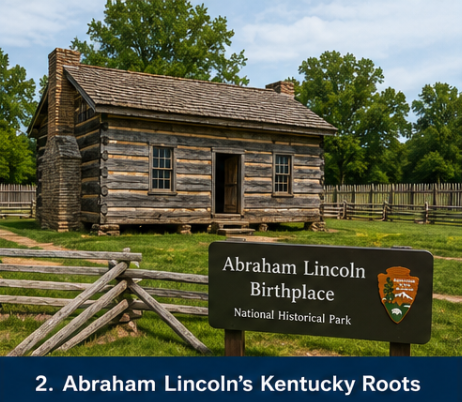
Yes. Abraham Lincoln was born on February 12, 1809, at Sinking Spring Farm near Hodgenville, Kentucky. Although his family moved to Indiana during his childhood, Kentucky proudly recognizes Lincoln’s birthplace as an important chapter in the life of America’s 16th president.
Lincoln spent only the first years of his life in Kentucky, but his birthplace remains one of the state’s most visited historic attractions.
Visitors can explore:
- Abraham Lincoln Birthplace National Historical Park
- Memorial Building
- Replica Log Cabin
- Visitor Center
- Walking Trails
Lincoln’s humble beginnings symbolize perseverance and opportunity.
His Kentucky roots remain a source of pride across the Commonwealth.
How did the Civil War affect Kentucky?
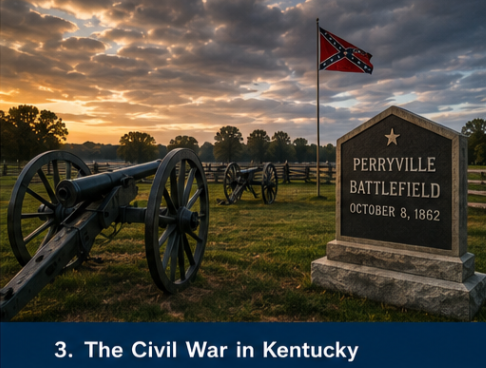
Kentucky occupied one of the Civil War’s most strategic positions because it was a border state with divided loyalties. Although it remained in the Union, many Kentuckians fought for both the Union and Confederacy, making the war deeply personal throughout the Commonwealth.
Kentucky’s geography made control of its rivers and transportation routes extremely valuable.
The state experienced:
- Major battles
- Military occupations
- Political conflict
- Economic disruption
- Family divisions
Important Civil War sites include:
- Perryville Battlefield
- Camp Nelson National Monument
- Mill Springs Battlefield
- Columbus-Belmont area
Perryville remains one of the largest preserved Civil War battlefields in America.
Why did Kentucky remain in the Union?
Kentucky officially remained in the Union because of its strategic importance, political leadership, and concerns over economic stability. Despite remaining a Union state, many citizens supported the Confederacy, creating divided communities and families throughout the Civil War.
President Abraham Lincoln famously recognized Kentucky’s importance by noting that losing Kentucky could jeopardize the Union.
Kentucky contributed soldiers to both sides.
This divided loyalty shaped politics and community relationships long after the war ended.
How did coal mining shape Kentucky?
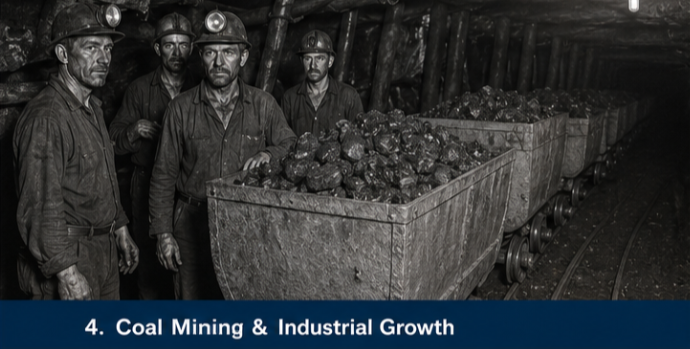
Coal mining transformed eastern Kentucky into one of America’s major energy-producing regions, creating jobs, railroad expansion, and industrial growth while also influencing generations of Appalachian culture. Mining communities became the economic backbone of many Kentucky counties throughout the 19th and 20th centuries.
Coal production accelerated during the Industrial Revolution.
Mining led to:
- Railroad construction
- Company towns
- Manufacturing growth
- Regional employment
- Energy production
Eastern Kentucky became nationally recognized for its rich coal reserves.
While the industry has changed dramatically, coal remains an important part of Kentucky’s identity and history.
Visitors interested in mining heritage can explore museums and preserved mining communities throughout Appalachia.
How did rivers influence Kentucky’s development?
Kentucky’s rivers fueled settlement, transportation, agriculture, and trade by connecting communities to national markets. The Ohio, Kentucky, Tennessee, and Cumberland Rivers helped transform small frontier settlements into thriving commercial cities that became economic centers for generations.
Before railroads and highways, rivers served as Kentucky’s primary transportation network.
Major benefits included:
- Shipping agricultural products
- Moving settlers west
- Expanding trade
- Military transportation
- Economic development
Louisville became especially important due to its location along the Ohio River.
What industries helped build Kentucky?

Kentucky’s economy developed through agriculture, horse breeding, bourbon production, coal mining, manufacturing, and river commerce. Together, these industries created jobs, attracted investment, and helped establish Kentucky as an important contributor to the national economy.
Historically significant industries include:
- Tobacco farming
- Hemp production
- Bourbon distilling
- Thoroughbred horses
- Coal mining
- Manufacturing
- Agriculture
Many remain major contributors today.
Why is bourbon such an important part of Kentucky history?
Bourbon became one of Kentucky’s defining industries because of its ideal climate, limestone-filtered water, and generations of distilling expertise. Today, Kentucky produces the overwhelming majority of the world’s bourbon and welcomes millions of visitors through its famous Bourbon Trail.
Kentucky’s bourbon heritage dates back more than 200 years.
Historic distilleries helped build local economies while establishing worldwide recognition for Kentucky craftsmanship.
Today, bourbon tourism contributes billions to the state’s economy.
How did horse racing become part of Kentucky’s identity?
Horse racing became deeply connected to Kentucky because of the state’s rich pastureland, limestone-rich soil, and successful Thoroughbred breeding industry. The Kentucky Derby eventually evolved into one of the world’s most prestigious sporting events and a symbol of Kentucky’s culture.
Churchill Downs has hosted the Kentucky Derby since 1875.
The industry supports:
- Breeding farms
- Veterinary medicine
- Tourism
- Agriculture
- Hospitality
- International investment
Horse racing remains one of Kentucky’s strongest global brands.
What historic places should visitors explore in Kentucky?
Kentucky offers hundreds of historic destinations that showcase frontier settlements, presidential history, Civil War battlefields, bourbon heritage, and Appalachian culture. These attractions allow visitors to experience the events and people that shaped both Kentucky and the United States.
Must-visit historic destinations include:
- Abraham Lincoln Birthplace National Historical Park
- Fort Boonesborough State Park
- Perryville Battlefield State Historic Site
- Camp Nelson National Monument
- My Old Kentucky Home
- Shaker Village of Pleasant Hill
- Mammoth Cave National Park
- Old Louisville Historic District
- Kentucky Horse Park
- The Kentucky Bourbon Trail
Each destination offers a different perspective on the Commonwealth’s rich heritage.
How does Kentucky’s history influence where people live today?
Kentucky’s historical development continues shaping today’s communities through preserved downtowns, river cities, agricultural regions, transportation corridors, and tourism economies. Many of the state’s fastest-growing areas evolved from the same locations that prospered during Kentucky’s earliest years.
Historic communities often feature:
- Walkable downtown districts
- Historic architecture
- Established neighborhoods
- Cultural festivals
- Strong local identity
- Tourism-driven businesses
These qualities make many Kentucky towns attractive to both residents and investors.
Is Kentucky a good place for history lovers, home buyers, and investors?
Yes. Kentucky combines nationally significant historical attractions with affordable communities, growing tourism, expanding industries, and diverse real estate opportunities. The state’s blend of heritage and economic growth appeals to visitors, families, retirees, and investors seeking long-term value.
Whether you’re:
- Exploring Civil War history
- Touring bourbon distilleries
- Visiting Lincoln’s birthplace
- Discovering frontier settlements
- Investing in historic downtown properties
- Relocating to Kentucky
you’ll find communities shaped by more than two centuries of remarkable history.
If you’re considering making Kentucky your home, Matthew Hoagland and The Hoagland Team of RE/MAX Premier Properties can help you explore communities that combine historic charm with modern living. Their local expertise can help buyers, sellers, and real estate investors find opportunities throughout Kentucky while gaining a deeper appreciation for the Commonwealth’s rich heritage.
Frequently Asked Questions
What is Kentucky most famous for historically?
Kentucky is best known for Daniel Boone’s frontier exploration, Abraham Lincoln’s birthplace, its divided role during the Civil War, bourbon production, Thoroughbred horse racing, coal mining, and westward expansion.
When did Kentucky become a state?
Kentucky became the 15th state in the United States on June 1, 1792.
Why is Kentucky called the Commonwealth?
Kentucky is officially designated a commonwealth, a traditional term emphasizing that government exists for the common good of its citizens. Legally, it functions the same as any other U.S. state.
Where can I learn about Kentucky history?
Excellent places include the Abraham Lincoln Birthplace National Historical Park, Fort Boonesborough, Perryville Battlefield, Shaker Village, the Kentucky Historical Society, Kentucky Horse Park, and museums throughout Louisville, Lexington, Bardstown, and Eastern Kentucky.
What role did Kentucky play in American history?
Kentucky helped drive westward expansion, supplied leaders including Abraham Lincoln, remained strategically important during the Civil War, powered industrial growth through coal mining, and became globally recognized for bourbon and Thoroughbred horse breeding.
Kentucky’s story is woven into the history of the United States — from the footsteps of Daniel Boone and the birth of Abraham Lincoln to the hardships of the Civil War, the rise of coal mining, and the traditions of bourbon and horse racing. Every region of the Commonwealth reflects a chapter of America’s past while continuing to shape its future.
Whether you’re visiting historic landmarks, searching for your next home, or exploring investment opportunities, understanding Kentucky’s rich heritage adds a deeper appreciation for everything the Commonwealth has to offer. When you’re ready to experience Kentucky firsthand, Matthew Hoagland and The Hoagland Team of RE/MAX Premier Properties are ready to help you find the perfect place to call home.
