
Fall Curb Appeal in One Afternoon
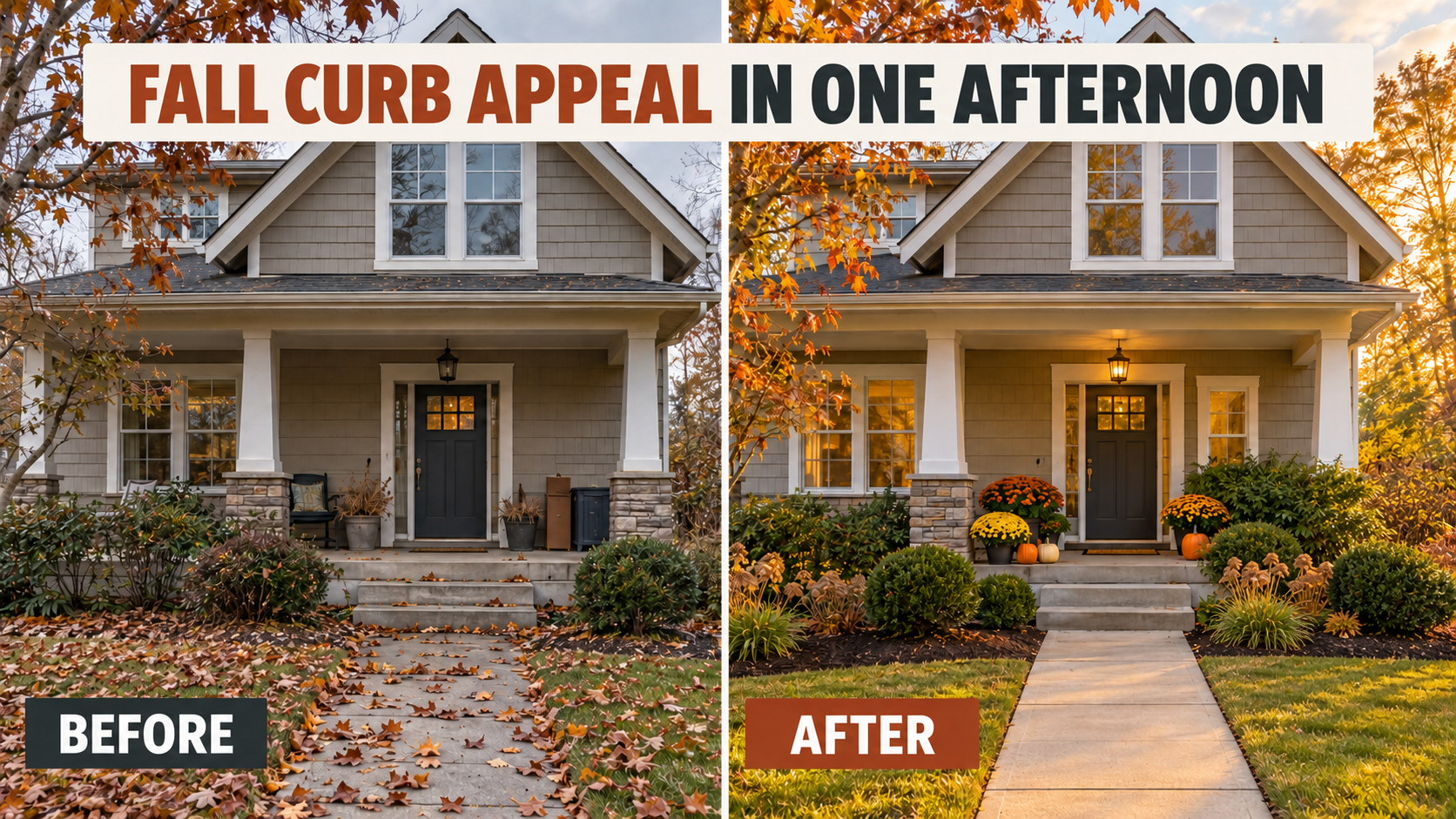
Fall Curb Appeal in One Afternoon: A Fast, High-Impact Checklist
How can you improve fall curb appeal in one afternoon?
You can improve fall curb appeal in one afternoon by clearing leaves, cleaning the entry, trimming tired plants, refreshing mulch, adding restrained seasonal color and checking exterior lighting. Prioritize the front door and the path leading to it; these areas shape a visitor’s first impression and photograph prominently in a home listing.
Autumn has a way of making a home look either especially welcoming or unexpectedly neglected. Warm foliage can frame a property beautifully, but scattered leaves, fading annuals and shorter daylight hours expose maintenance issues quickly. The good news is that a noticeable transformation does not require a full landscaping project.
For tourists exploring neighborhoods, curb appeal helps reveal how a community feels from the street. For future home buyers, it offers clues about everyday upkeep. For real estate investors, it affects listing photos, showing traffic and the perceived condition of an asset. A focused afternoon can serve all three audiences.
Matthew Hoagland and The Hoagland Team of RE/MAX Premier Properties recommend looking at the exterior through a first-time visitor’s eyes: begin at the curb, follow the natural approach to the entrance and address anything that interrupts a clean, safe and inviting experience.
What should you do before starting a fall curb appeal makeover?
Start with a five-minute curbside assessment and choose the three flaws that attract attention first. Take a phone photo from the street, then inspect the walkway and front door. A fixed plan prevents low-value busywork and keeps a short project focused on the areas guests, buyers and listing cameras are most likely to notice.
Stand across the street, if it is safe to do so, and study the entire frontage. A photograph is useful because it flattens the scene and makes visual clutter easier to spot. Look for an obscured house number, a crooked mat, an overflowing planter, patchy mulch, loose debris or a dark entry.
Gather the basics before the clock starts:
- Work gloves, leaf bags and a rake or blower
- Broom, bucket, mild cleaner and cleaning cloths
- Hand pruners for light trimming
- Fresh mulch or pine straw, if needed
- One or two cold-tolerant planters
- Warm-white, exterior-rated lightbulbs
- A simple doormat or seasonal wreath
Avoid turning the afternoon into a repair marathon. Peeling paint, loose railings, damaged steps, active leaks and electrical problems deserve proper evaluation, not a rushed cosmetic cover-up.
What is the best order for a one-afternoon curb appeal project?
The most efficient order is to remove debris, prune lightly, clean hard surfaces, refresh beds, style the entrance and test the lights. Working from messy tasks to finishing touches prevents repeated cleanup. Reserve the final 15 minutes for a curbside review, photographs and small corrections such as straightening pots or hiding a hose.
Use this four-hour sequence as a flexible plan:
- First 45 minutes: remove seasonal clutter. Rake leaves, pull dead annuals, collect fallen branches, empty broken pots and put away tools, toys and unused hoses.
- Next 45 minutes: tidy plants and edges. Clip only dead or unruly growth, define bed edges and clear vegetation from steps, windows, signs and house numbers.
- Next 60 minutes: clean the approach. Sweep the walk and porch, wipe the front door, clean visible glass, dust light fixtures and wash the mailbox if it needs attention.
- Next 45 minutes: restore color and contrast. Top off thin mulch, install one or two seasonal planters and replace a worn doormat.
- Final 45 minutes: light, style and review. Replace failed bulbs, turn on exterior lights, move vehicles if possible and take new photos from the street and front walk.
Which fall cleanup tasks create the biggest visual difference?
Leaf removal, crisp bed edges, cleared gutters at eye level and the removal of dead plants usually create the largest immediate improvement. These tasks reveal the home’s architecture and signal active maintenance. Keep some healthy autumn texture, but remove anything that reads as abandoned, blocks drainage or creates a slippery route to the entrance.
Concentrate on clean lines rather than a perfectly bare landscape. Clear the lawn, porch, steps and walking path. Leaves can remain in intentional garden areas when they look contained and do not trap water against the structure. Remove weeds and dead annuals completely instead of trimming them halfway.
Lightly prune branches that hide the front door, touch siding or obscure the house number. Avoid major pruning without knowing the plant’s needs; aggressive fall cuts can damage certain trees and shrubs. If branches are large, elevated or near utility lines, call a qualified professional.
For sellers and investors, cleanup also improves photography. Cameras amplify scattered objects and uneven edges, while an orderly foreground helps the eye move naturally toward the home.
How should you decorate a front porch for fall without overdoing it?
Use a restrained palette, repeat one or two materials and keep at least half of the porch visually open. A doormat, a simple wreath and one balanced planter arrangement are often enough. Seasonal décor should frame the entrance — not narrow the walkway, hide architectural details or make listing photos feel dated after the holiday passes.
Choose pieces that match the scale and style of the property. A small stoop may need only one planter and a fresh mat. A wide porch can support two planters or a small grouping with varied heights. Mums, ornamental cabbage, pansies and evergreen accents can provide color where climate and exposure permit.
For a property that may soon be listed, favor broadly seasonal elements over holiday-specific decorations. Natural textures, muted pumpkins and foliage-inspired colors tend to last longer in photographs. Skip fragile displays that can blow into the walkway, and never place décor where it becomes a trip hazard.
Does fresh mulch improve curb appeal in the fall?
Yes. A thin, even layer of fresh mulch can make planting beds look finished, increase contrast around plants and help retain soil moisture. Match the existing material when possible, remove weeds first and avoid piling mulch against tree trunks, siding or the foundation. More mulch is not better; neat, appropriate coverage is the goal.
If the beds already have adequate mulch, rake and redistribute it before buying more. This can restore an even appearance at little or no cost. Where material is genuinely thin, add only enough to create consistent coverage based on the needs of the plants and the mulch type.
Investors should resist using an unusually bright or mismatched product merely to make beds look “new.” Natural-looking, consistent material tends to photograph better and makes future maintenance easier. Buyers should also remember that fresh mulch is cosmetic; it does not resolve grading, drainage or foundation concerns.
How can exterior lighting improve fall curb appeal and safety?
Exterior lighting makes a home easier to identify, safer to approach and more welcoming during shorter fall days. Replace failed bulbs, clean fixture glass and use consistent warm-white light at the entrance. Illuminate steps and the house number without producing glare. Any damaged fixture, exposed wire or unreliable circuit should be handled by a licensed professional.
Turn every exterior light on before sunset and view the home from the street. Mismatched color temperatures are surprisingly noticeable. Confirm that path lights are upright and that motion sensors activate at a useful distance rather than after a visitor reaches the steps.
This matters especially for buyers attending evening showings and tourists returning to a vacation property after dark. For rental or investment properties, clear lighting can also make arrival instructions easier to follow. Keep the effect calm and functional; a few well-placed lights usually outperform a collection of overly bright fixtures.
What low-cost fall curb appeal updates help a home sell?
The best low-cost updates are a clean front door, visible house numbers, trimmed landscaping, a fresh mat, coordinated planters and working exterior lights. These improvements reduce distractions and suggest care without pretending to change the home’s condition. Sellers should prioritize cleanliness, safe access and accurate presentation before buying decorative items or trendy finishes.
A practical seller checklist includes:
- Wash or wipe the front door and surrounding trim.
- Polish or clean door hardware if the finish allows it.
- Make the address easy to read from the street.
- Remove empty pots, packages and personal clutter.
- Hide trash bins and coil hoses neatly.
- Sweep cobwebs from porch ceilings, corners and fixtures.
- Test the doorbell and exterior lights.
- Photograph the result in both daylight and early evening.
If the door’s finish is badly worn, repainting may help, but that is often more than a one-afternoon cleanup once preparation and drying time are included. Do the fast, foundational work first, then decide whether a larger project is justified.
What should home buyers and real estate investors notice beneath the curb appeal?
Buyers and investors should enjoy attractive landscaping while separating presentation from property condition. Look past fresh mulch and new planters to evaluate drainage, walkways, railings, exterior surfaces, rooflines and vegetation near the structure. Strong curb appeal adds value to the experience, but it does not replace inspections, disclosures, due diligence or repair estimates.
During an exterior review, pay attention to:
- Water collecting near the foundation or flowing toward the house
- Cracked, uneven or slippery steps and walkways
- Loose handrails or porch components
- Vegetation contacting siding, roofing or utility equipment
- Staining, peeling finishes or visibly damaged exterior materials
- Gutters and downspouts that appear disconnected or poorly directed
- Exterior improvements that may require verification or further evaluation
Real estate investors should estimate both the immediate cleanup cost and the recurring landscape burden. An elaborate yard may look impressive but require more labor between tenants or before resale. Future home buyers should ask whether the level of exterior maintenance fits their time, budget and ownership goals.
How does curb appeal help tourists understand a neighborhood?
Curb appeal gives tourists a street-level sense of neighborhood character, walkability and pride of place, but it is only one snapshot. Visitors should explore at different times, observe access and upkeep, and distinguish a polished tourist corridor from everyday residential blocks. Respect private property while using public routes to learn the area’s rhythm.
A leisurely walk or drive can reveal architectural styles, mature landscaping, porch culture and proximity to parks, shops or gathering places. Notice whether sidewalks and crossings feel comfortable, whether addresses are easy to find and how properties transition from commercial or visitor-focused areas to residential streets.
Anyone considering a future home or investment should return beyond peak sightseeing hours. Conditions can feel different on a weekday morning, at dusk or after rain. Neighborhood impressions are valuable, but decisions should also draw on professional guidance, property-specific research and the buyer’s or investor’s priorities.
What fall curb appeal mistakes should you avoid?
Avoid unsafe ladder work, excessive décor, aggressive pruning, mulch piled against structures, blocked walkways and cosmetic fixes that conceal defects. Do not pressure-wash delicate surfaces without understanding them or begin a paint project too late in the day. A successful one-afternoon refresh should leave the property cleaner, safer and more coherent — not merely busier.
The most common mistake is trying to make every part of the yard look new. That usually spreads time and money too thin. A clean approach, an obvious entrance and a few repeated colors create a stronger impression than scattered upgrades.
Also consider the weather. Wet leaves become slippery, low temperatures can affect coatings and cleaners, and daylight fades quickly in fall. Build cleanup time into the plan and stop any task that requires expertise, special equipment or unsafe access.
Is a one-afternoon curb appeal refresh worth it?
Yes. A focused fall refresh can improve arrival, listing photos and perceived maintenance in only a few hours. It is especially worthwhile before guests, showings, rental photography or neighborhood visits. The greatest return comes from completing basic cleanup and safety tasks first, then using modest seasonal details to make the entrance feel intentional and welcoming.
Curb appeal cannot determine market value on its own, and décor should never substitute for sound maintenance. It can, however, help a well-kept property communicate its strengths immediately. That matters when a buyer is deciding whether to schedule a showing, an investor is evaluating repositioning costs or a visitor is forming an impression of the area.
For property-specific guidance, Matthew Hoagland and The Hoagland Team of RE/MAX Premier Properties can help future home buyers, sellers and real estate investors consider which exterior improvements fit the home, the market and the larger real estate plan.
This article provides general information and is not a substitute for property inspections, contractor advice, landscaping guidance or other professional evaluations.
