
Buying or Selling a Louisville Ranch Home: What Makes This Floor Plan Appealing?
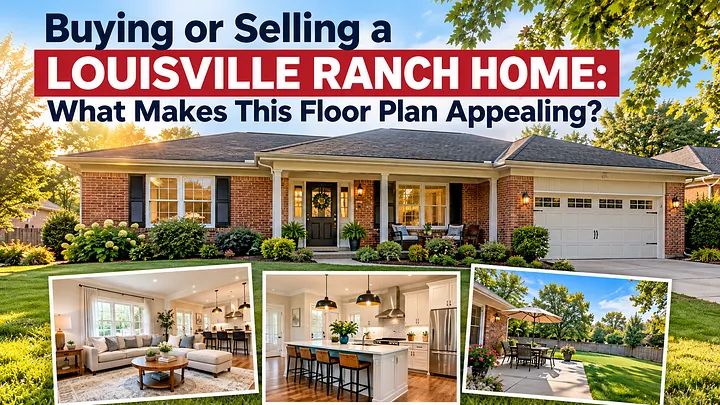
Buying or Selling a Louisville Ranch Home: What Makes This Floor Plan Appealing?
From single-level living and flexible floor plans to resale considerations, here’s what buyers, sellers, and real estate investors should know about ranch-style homes in Louisville, Kentucky.
Ranch-style homes remain a practical option for Louisville buyers who want most or all of their daily living space on one floor. Their straightforward layouts, accessibility potential, and flexible rooms can appeal to first-time buyers, downsizers, and households planning for changing needs.
But not every ranch home offers the same experience. Some have open living areas and updated kitchens, while others retain smaller rooms, narrow hallways, or older mechanical systems. A finished basement, attached garage, or large backyard can also change how a property functions.
Whether you’re relocating to Louisville, comparing neighborhoods, buying a rental property, or preparing to sell, understanding the strengths and limitations of a ranch floor plan can help you make a more informed decision.
What Is a Ranch-Style Home, and Why Do Louisville Buyers Consider One?
A ranch-style home is typically a one-story residence with a horizontal layout, although some include finished or unfinished basements. Louisville buyers often consider ranch homes because bedrooms, kitchens, bathrooms, and main living areas can be reached without using stairs. Actual accessibility depends on the property’s design and condition.
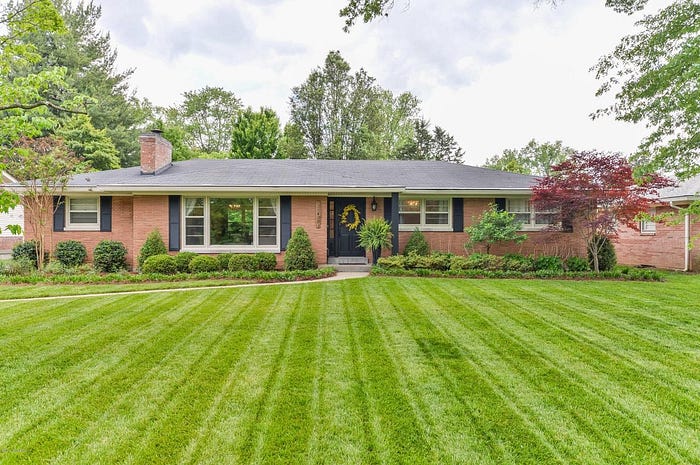
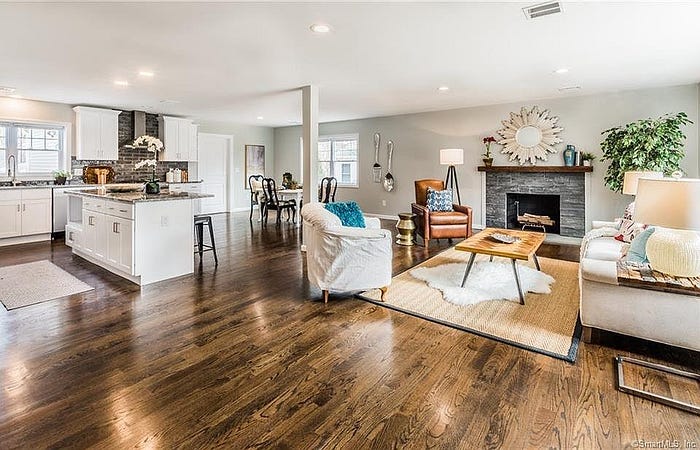
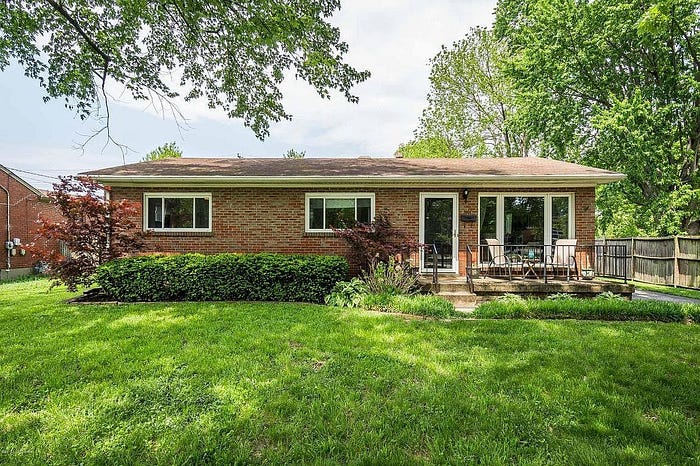
Ranch homes became common in many American suburbs during the mid-20th century. Their designs generally favored practical room arrangements, easy movement between living spaces, and connections to outdoor areas.
Common features include:
- One main living level
- Two to four bedrooms, depending on the property
- A living room, family room, or combined living area
- An attached or detached garage
- A basement, crawl space, or slab foundation
- A front porch, patio, deck, or backyard
- Brick, siding, or mixed exterior materials
In Louisville, buyers may encounter traditional brick ranches, renovated mid-century properties, and newer single-story homes.
One important distinction: a ranch is not automatically an open-concept home. Older floor plans may separate the kitchen, dining room, and living room with walls and doorways.
Why Is Single-Level Living Appealing to Home Buyers?
Single-level living appeals to buyers who prefer fewer interior stairs, easier movement between rooms, and a layout that may accommodate changing mobility needs. A ranch can simplify everyday tasks such as carrying groceries, doing laundry, and moving between bedrooms and shared spaces, depending on its specific floor plan.
For many households, convenience is the main attraction.
Consider a typical weekday. Someone may move from the bedroom to the kitchen, laundry area, garage, and backyard several times. When those spaces are on the same level, daily routines can involve fewer trips up and down stairs.
A ranch floor plan may suit:
- First-time home buyers: Buyers seeking a manageable layout and practical use of space.
- Households with children: Families who prefer bedrooms and shared spaces on one level.
- People planning to age in place: Buyers who want to reduce their reliance on stairs.
- Remote workers: Buyers who could use a spare bedroom or den as an office.
- Frequent hosts: Households that prefer guests to move easily between living, dining, and outdoor areas.
However, single-story construction does not guarantee an accessible home.
Entry steps, narrow doorways, raised thresholds, bathtub configurations, and laundry placement can still create barriers. Buyers who need accessibility should evaluate the actual property rather than relying on its architectural label.
Where Can Buyers Find Ranch-Style Homes in Louisville, Kentucky?
Ranch-style homes can be found in established Louisville neighborhoods and suburban communities, including parts of Jeffersontown, Fern Creek, Middletown, and the East End. Availability varies by neighborhood, price range, lot size, and current listings. Buyers should search by both architectural style and specific property features.
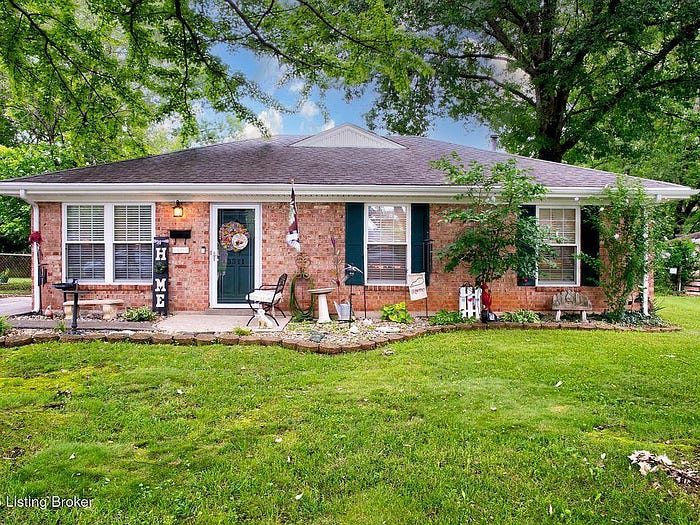
Jeffersontown — ZIP 40299
Jeffersontown is worth considering for buyers interested in established residential streets and access to shopping, employment areas, and local amenities. Property age, lot size, and renovations can vary considerably.
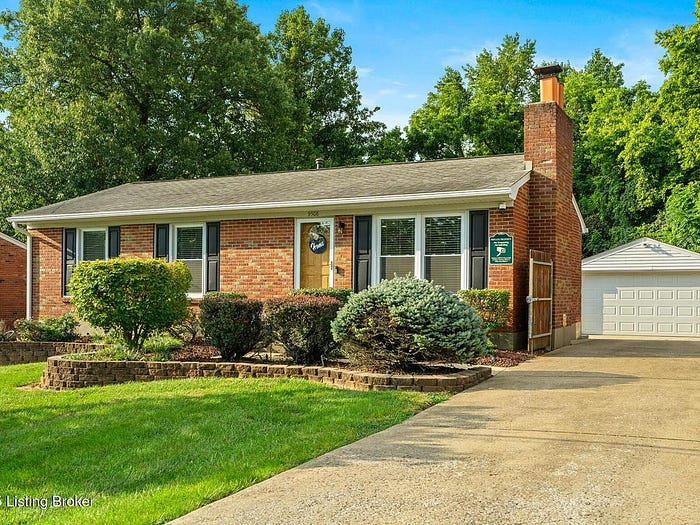
Fern Creek — ZIP 40291
Fern Creek includes established residential areas where buyers may encounter traditional ranch homes. Compare individual streets, property conditions, and travel routes instead of assuming every home in the ZIP code is similar.
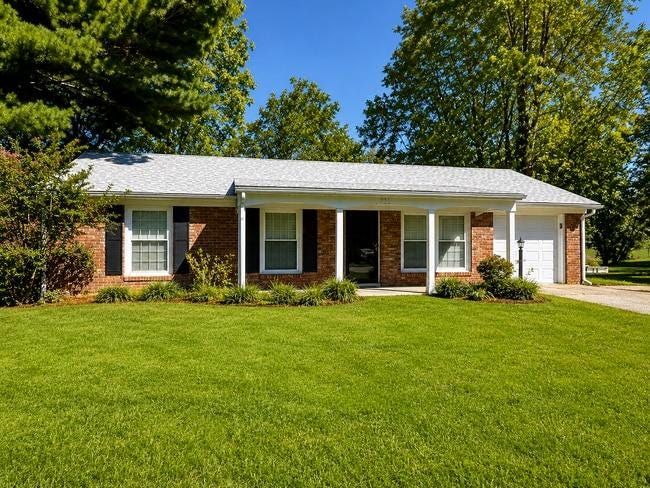
Middletown and Louisville’s East End
These areas offer a mix of housing ages and styles. Buyers searching for ranch homes should compare renovated properties with homes that may need updates to kitchens, bathrooms, roofs, or mechanical systems.
ZIP codes are useful search filters, but they do not always match neighborhood boundaries.
For buyers relocating to Louisville, the address matters more than the neighborhood name alone. Check commute routes, property taxes, insurance estimates, school assignments where relevant, and nearby services before making an offer.
What Should Buyers Inspect Before Purchasing an Older Louisville Ranch Home?
Buyers considering an older Louisville ranch should examine the roof, foundation, basement, drainage, electrical system, plumbing, HVAC equipment, and insulation. Cosmetic updates may improve a home’s appearance without resolving underlying maintenance concerns. A qualified home inspection can help identify issues that require further evaluation before closing.

A ranch home may appear straightforward because of its simple shape, but age and maintenance history still matter.
Pay particular attention to these areas:
- Roof condition: Ask about the roof’s age, materials, previous repairs, and signs of leaks. A single-story house may have a substantial roof area relative to its finished square footage.
- Foundation and basement: Look for water staining, cracks, musty odors, or evidence of repeated moisture problems. Some conditions may warrant review by a foundation or waterproofing specialist.
- Heating and cooling: Determine the age, service history, and condition of the HVAC system. Ask whether additions or finished basement areas are properly conditioned.
- Windows and insulation: Older windows and insufficient insulation can affect comfort and operating costs.
- Electrical and plumbing: Determine whether major components have been updated and whether renovations were completed with required permits.
- Drainage and grading: Check how rainwater moves away from the home and whether downspouts discharge appropriately.
- Room configuration: Verify bedroom access, bathroom placement, laundry location, and whether the floor plan meets your needs.
A finished basement deserves separate attention. Buyers should verify which areas are included in the advertised finished square footage and whether basement rooms meet applicable requirements for their intended use.
For buyers considering older homes, the EPA’s lead information resources and EPA’s radon guidance can also help inform questions about testing and potential environmental concerns.
Are Ranch Homes Better for Aging in Place?
Ranch homes can be suitable for aging in place because their main living areas are generally on one floor. This arrangement may reduce the need to use stairs for daily activities. However, buyers should examine entrances, bathrooms, hallways, flooring, and laundry access before deciding whether a particular property meets their long-term needs.
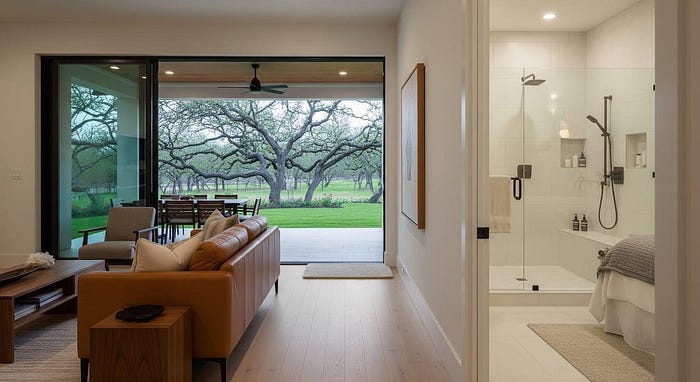
An aging-in-place evaluation should go beyond counting floors.
For example, a ranch with a steep driveway, several front steps, and a narrow bathroom may require modifications. Another home with a level entrance and a spacious primary bathroom may be easier to adapt.
Potential improvements include wider doorways, better lighting, lever-style door handles, grab-bar reinforcement, slip-resistant flooring, and a curbless shower where feasible.
These changes have different costs and construction requirements. Buyers should consult qualified contractors and accessibility professionals before assuming a home can be modified easily.
Does a Finished Basement Make a Louisville Ranch More Attractive?
A finished basement can make a Louisville ranch more useful by adding space for recreation, work, hobbies, storage, or guests. Its appeal depends on ceiling height, moisture conditions, heating and cooling, access, and the quality of the finished areas. Basement square footage should be evaluated separately from above-grade living space.
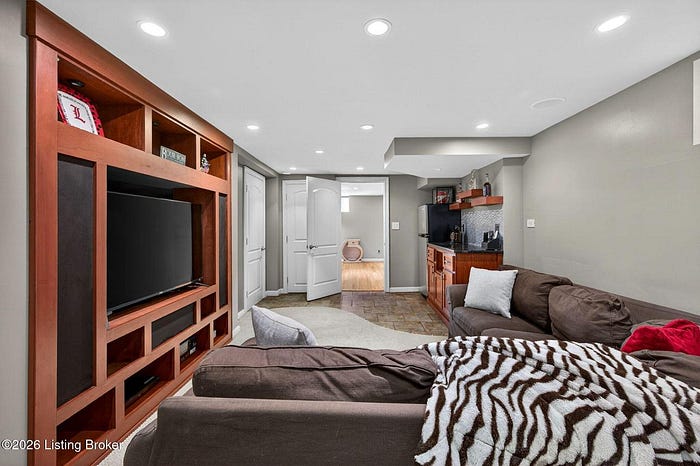
A basement can change how a ranch home functions without changing its main-floor footprint.
For example, the main level might contain three bedrooms, a kitchen, and a living room, while the basement provides a recreation room, office, or exercise space.
Before treating the basement as a major selling point, buyers should ask:
- Has the basement experienced water intrusion?
- Is the space heated and cooled appropriately?
- Were required permits obtained for renovations?
- Do sleeping rooms meet applicable safety and egress requirements?
- Are ceiling heights and stairways appropriate for the intended use?
- How is the finished area represented in the listing and appraisal?
For sellers, accurately describing the basement helps buyers understand what they are purchasing. A finished basement may support buyer interest, but its contribution to appraised value is not necessarily the same as above-grade space.
What Makes a Ranch-Style Home Appealing to Real Estate Investors?
Ranch homes may appeal to Louisville real estate investors because they often have straightforward layouts, flexible room arrangements, and living spaces without interior stairs. Their rental potential depends on acquisition price, neighborhood demand, maintenance costs, property condition, local regulations, and the rent supported by comparable properties.
Investors should avoid assuming that a ranch will automatically be cheaper to maintain or easier to rent.
A one-story property may have simpler access to certain rooms and building components, but it can also have a relatively large roof or foundation footprint. Those components can affect long-term repair expenses.
Before purchasing a ranch as a rental, examine:
- Acquisition costs: Purchase price, financing, inspections, closing expenses, and immediate repairs.
- Rental demand: Comparable leased properties with similar bedrooms, bathrooms, parking, and condition.
- Operating expenses: Taxes, insurance, maintenance, utilities paid by the owner, management fees, and vacancy allowances.
- Capital repairs: Expected replacement costs for the roof, HVAC, plumbing, and other major components.
- Property restrictions: Applicable zoning, rental requirements, association rules, and occupancy standards.
- Exit strategy: Whether the property could also appeal to owner-occupants when it is time to sell.
For investors considering short-term rentals, Louisville Metro’s applicable registration, zoning, and licensing requirements should be checked before purchasing. Rules and eligibility may differ by address and use.
A ranch home should be evaluated using realistic income and expense assumptions, not simply its architectural style.
How Can Sellers Make a Louisville Ranch Home More Appealing Before Listing?
Sellers can make a Louisville ranch more appealing by improving cleanliness, lighting, maintenance, and the presentation of each room’s purpose. Buyers should be able to understand how the floor plan works during everyday life. Repairs, accurate listing information, and clear photographs generally matter more than decorative changes alone.
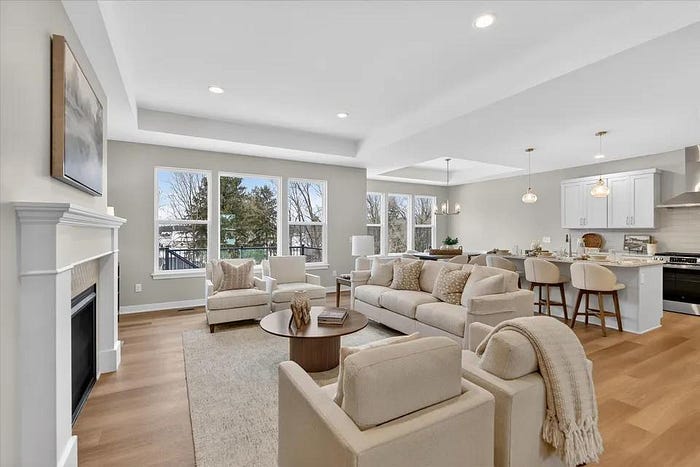
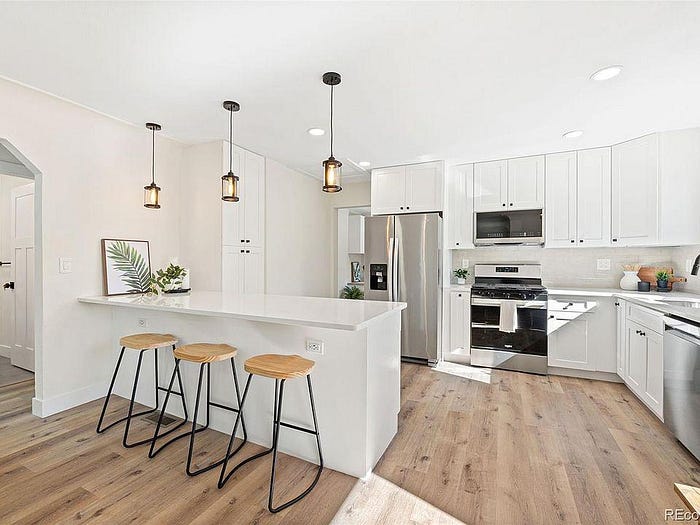
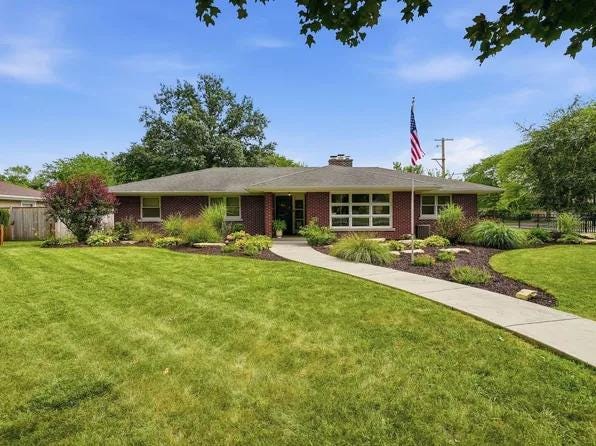
Start with improvements that help buyers assess the property.
Make the floor plan easy to understand. Remove oversized furniture that blocks pathways. If a room has an unusual shape, arrange furniture to demonstrate a practical use.
Improve lighting. Clean windows, replace burned-out bulbs, and open blinds for photographs and showings. Consistent lighting helps buyers see the rooms clearly.
Address maintenance concerns. Repair dripping faucets, damaged trim, sticking doors, and other visible issues. Larger repairs should be considered with their costs and potential buyer impact in mind.
Present outdoor spaces clearly. Maintain the lawn, trim vegetation away from walkways, and clean patios or porches. Buyers should be able to understand the size and condition of the outdoor areas.
Document improvements. Keep available records for roof replacements, HVAC service, permitted renovations, and other significant work. Accurate documentation can help answer buyer questions.
For ranch homes with a basement, garage, or flexible room, photographs and listing descriptions should explain those spaces without overstating their permitted use or finished area.
Should Sellers Renovate a Ranch Home Before Putting It on the Market?
Sellers do not always need to renovate a ranch home before listing it. The better decision depends on the property’s condition, comparable sales, renovation costs, and the expectations of likely buyers. Cleaning, repairs, and selective cosmetic updates may be more sensible than a major remodel that cannot recover its cost.
A full kitchen renovation may look attractive, but it also requires money, time, and coordination. Sellers should compare that investment against the likely effect on sale price.
A practical approach is to separate projects into three categories:
- Necessary repairs: Safety issues, active leaks, damaged components, and problems likely to affect inspections or financing.
- Presentation improvements: Painting, cleaning, landscaping, and minor fixture updates.
- Optional renovations: Major kitchen remodels, bathroom reconstruction, structural changes, or basement finishing.
Before approving expensive work, review recent comparable sales with a local real estate professional.
Matthew Hoagland and The Hoagland Team of RE/MAX Premier Properties can help sellers compare their ranch home’s features with competing properties and consider which improvements may matter most in their specific market.
How Should a Louisville Ranch Home Be Priced for Sale?
A Louisville ranch should be priced using recent comparable sales, property condition, location, above-grade square footage, bedroom and bathroom count, lot characteristics, and meaningful improvements. A finished basement or updated interior may affect buyer interest, but pricing should follow market evidence rather than assumptions about the popularity of ranch-style homes.
The most useful comparisons generally involve properties that buyers would realistically consider as alternatives.
A three-bedroom brick ranch in Jeffersontown may compete differently from a newer single-story home in another part of Louisville.
When comparing properties, consider:
- Similar location and neighborhood characteristics
- Above-grade finished living area
- Number and placement of bathrooms
- Basement condition and finished space
- Garage and parking arrangements
- Age and condition of major systems
- Lot size and usable outdoor space
- Renovation quality and overall condition
Active listings can show what sellers are asking, but completed sales provide stronger evidence of what buyers have recently paid.
The number of days a property spends on the market and any price reductions may also provide useful context.
Pricing decisions should rely on current local data. No specific October 2026 ranch-home price premium is assumed here without a verified comparable-sales analysis.
Are Ranch Homes More Expensive Than Two-Story Homes in Louisville?
Ranch homes are not automatically more expensive than two-story homes in Louisville. Prices depend on location, size, condition, land, construction, and current buyer demand. A ranch may require a larger foundation and roof footprint for the same above-grade square footage, but that does not establish a consistent resale premium.
Buyers sometimes assume that single-level homes command higher prices because of their convenience.
That may occur in particular market segments, but it should not be treated as a universal rule.
For example, a renovated ranch with an attached garage and functional layout may attract strong interest from buyers who specifically want one-floor living. An outdated ranch requiring major repairs may face a different response.
Likewise, a two-story home may offer more above-grade space on a smaller footprint.
The useful question is not simply whether ranch homes cost more. It is whether the specific property offers a competitive combination of location, condition, layout, and price.
What Are the Main Disadvantages of a Ranch-Style Home?
The main disadvantages of some ranch-style homes include a larger building footprint, limited separation between bedrooms and shared living areas, and fewer options for expanding upward without major construction. Older properties may also have smaller kitchens, limited storage, or outdated systems. These limitations vary by individual home.
For buyers comparing floor plans, several trade-offs deserve attention.
A ranch may place bedrooms near the living room, which can affect privacy and noise. A two-story layout may provide more separation between sleeping areas and entertainment spaces.
Some ranch homes also have long hallways or rooms that are difficult to reconfigure without structural work.
For sellers, these characteristics are not necessarily defects. They simply mean the home may be better suited to certain buyer preferences.
Rather than trying to present every ranch as universally appealing, describe its actual strengths and limitations accurately.
Frequently Asked Questions About Louisville Ranch Homes
Is a ranch home a good choice for a first-time buyer?
A ranch can be a good first home when its purchase price, condition, layout, and maintenance needs fit the buyer’s budget. Single-level living may be convenient, but buyers should still review financing, inspection findings, insurance, property taxes, and future repair costs before deciding whether a particular home is affordable.
Are ranch homes easier to maintain than two-story homes?
Some ranch homes provide easier access to rooms and certain exterior components, but they are not always less expensive to maintain. Roof size, foundation area, property age, and system condition affect repair costs. Buyers should compare the actual maintenance requirements of each property rather than relying on the number of stories.
Can a Louisville ranch home have four bedrooms?
Yes, a Louisville ranch home can have four bedrooms, depending on its size and approved floor plan. Buyers should verify the property’s actual bedroom count, especially when a listing includes converted offices or basement rooms. A room’s appearance alone does not establish that it meets applicable requirements for a bedroom.
Do ranch homes have good resale potential?
Ranch homes can have good resale potential when their location, condition, price, and layout match buyer demand. Single-level living may appeal to different household types, but resale performance varies. Sellers should evaluate recent comparable sales and competing listings instead of assuming that architectural style alone guarantees a faster sale or higher price.
Is a ranch home better for rental property investment?
A ranch may work well as a rental when its purchase price, condition, layout, and local rental demand support the investment. Investors should calculate realistic operating expenses, vacancy, repairs, and financing costs. A single-story layout may appeal to some tenants, but it does not guarantee higher rent or lower turnover.
Is Jeffersontown or Fern Creek better for buying a ranch home?
Neither Jeffersontown nor Fern Creek is automatically better for every ranch-home buyer. Both areas deserve consideration based on available listings, commute needs, property condition, budget, and preferred amenities. Buyers should compare actual homes in ZIP codes 40299 and 40291 rather than deciding from neighborhood names or broad assumptions.
Final Thoughts: Is a Louisville Ranch Home Right for You?
A Louisville ranch home may be a strong choice for buyers who want practical single-level living, adaptable rooms, and a manageable daily routine. Sellers can benefit from presenting those features clearly, while investors should focus on property condition and financial performance. The right decision depends on the individual home, not the style alone.
For buyers, the best starting point is a realistic list of needs: budget, number of bedrooms, bathroom layout, storage, parking, outdoor space, and long-term plans.
For sellers, the goal is to understand how the property compares with competing homes and what improvements are worth making before listing.
For investors, the focus should remain on rental demand, operating expenses, property condition, and potential resale options.
Whether you’re considering a brick ranch in Jeffersontown, a single-story home in Fern Creek, or another Louisville neighborhood, a property-specific evaluation is the most reliable approach.
Thinking About Buying or Selling a Ranch Home in Louisville?
Matthew Hoagland and The Hoagland Team of RE/MAX Premier Properties assist buyers and sellers throughout Louisville, Kentucky, and surrounding areas.
Whether you’re searching for a single-level home, preparing a ranch property for sale, or comparing real estate opportunities in Jeffersontown and Fern Creek, the team can help you review available options and make decisions based on your goals.
Matthew Hoagland
The Hoagland Team | RE/MAX Premier Properties
502–297–1797
matthewhoagland@outlook.com
www.mylouisvillehomesearch.com
The Agent You Choose Matters.
